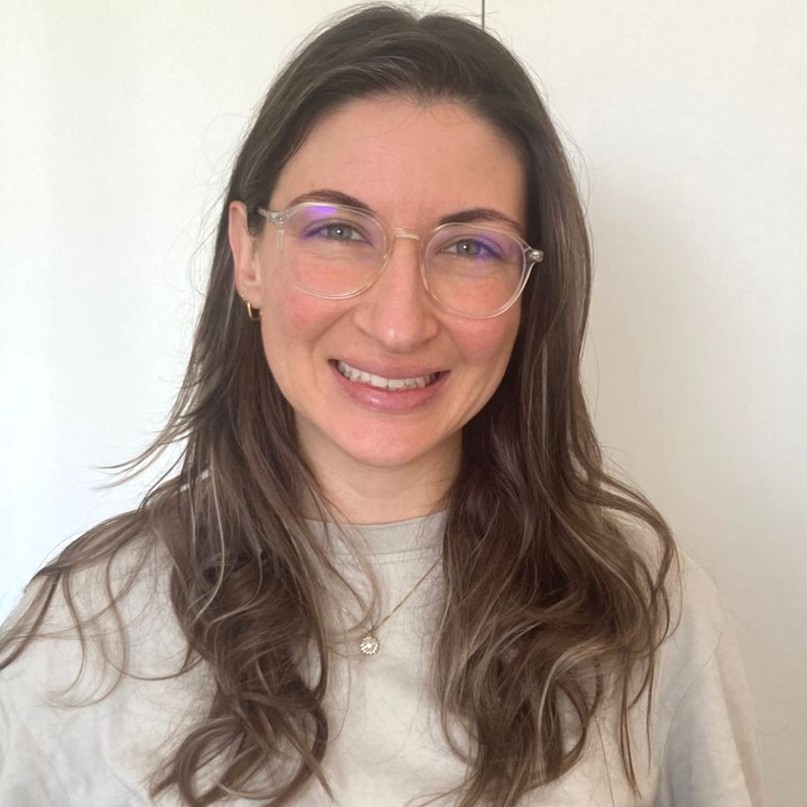
Julia Sborz is a PhD candidate in Industrial Ecology at the Norwegian University of Science and Technology, researching how contextual factors shape household material consumption. She applies econometrics and Input-Output approaches to examine the influence of urbanization, infrastructure, and government provisioning on resource use and carbon footprints. Brazilian, with academic experience in Canada and Norway, she is currently back in Brazil at UDESC, at the Statistics and Simulation Laboratory (Laboratório de Estatística). She is passionate about applied sustainability research and hopes her next steps will contribute to better environmental practices in her country.
Julia's main research/work interest areas:
- Household material footprints by the degree of urbanization
- The link between household material stocks and material footprints
- Resource use and waste econometrics
- Water and energy consumption in social housing in Brazil
- Doughnut economics applied to the household level
Julia's favorite cities and why:
- Curitiba (Brazil) - it has nice parks, good public transportation, and great food. My friends and I joke that it is the best country in Brazil, since it feels like a whole new country.
- Athens (Greece) - tons (literally) of ancient structures, and so much of the urban infrastructure was conceptualized there.
- Brasília (Brazil) - although it is too car-based, it has a huge historical importance. Plus, it is shaped like an airplane!
- and so many others like London, Bilbao, Brussels, and Copenhagen.
How did you get interested in cities research? What drew you to sustainability topics?
I’ve cared about the environment and sustainability for as long as I can remember. I grew up in a rural area in Brazil, with a backyard that blended into the forest, which gave me a strong appreciation for nature close to home. I remember enjoying school activities such as planting trees by the river next to school. As I pursued education, work and broader opportunities, I commuted and moved to larger cities in search of more possibilities. However, such cities often lack the connections I have had with nature before. This contrast between the environments led me to focus on environmental research applied to cities and households. Plus, I really enjoy learning about sustainable behavior.